
The scams are getting smarter.
So is the network defending you.
AI can clone any voice in seconds. Scam scripts write themselves in your dialect. Calls reach you by the thousand. Here's what changed, and what you can do.
Three threats
What's actually happening on the line.
When the voice you hear isn't real.
A two- or three-second audio sample, like a podcast clip, a voicemail or an Instagram story, is enough. AI tools clone a person's voice from that sample in minutes, then read anything back in it.
Why it works
Your brain trusts voices you recognise. If the caller "sounds like" your boss, your child, your bank, you process the words differently — faster, with less scepticism. That's the attack.
How Calmido helps
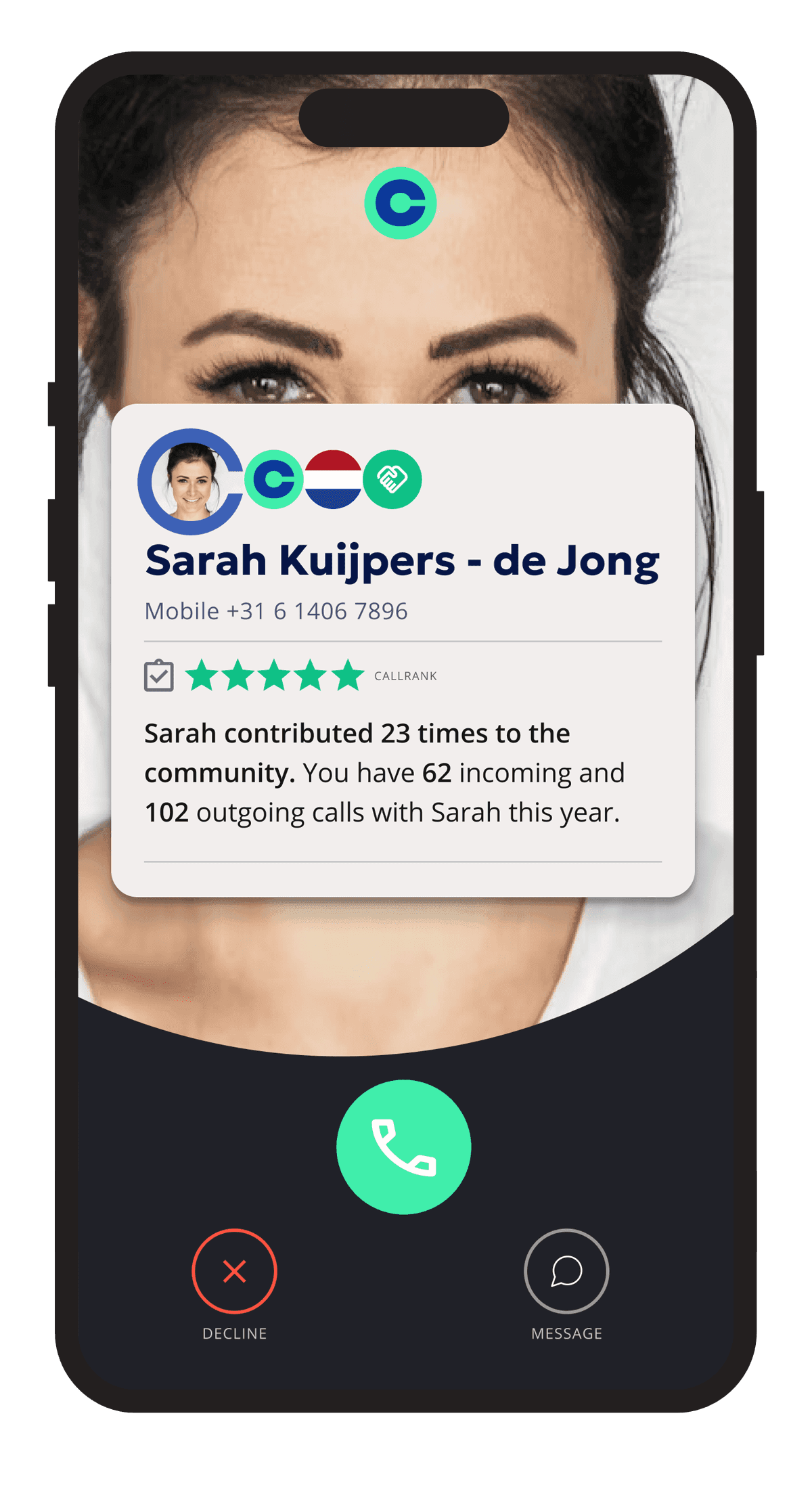
Calmido Phone shows you what's actually known about the caller — the number, the verified identity (if any), and what the community has reported. A cloned voice doesn't change what's on the screen.
Scam calls that know your name.
AI now writes scam scripts personalised to you, using your name from a data leak, your job from LinkedIn, your dialect from a public social media profile. The script sounds like it was written for you, because it was.
Why it works
Generic scams fail because they feel generic. Personalised ones feel plausible. Even a well-trained ear gets fewer warning bells when the caller references something specific to your life.
How Calmido helps
Community reports flag the numbers these scripts come from. One person reports the "energy contract" scam at 10am; by 10:05, the next person calling that number sees the warning.
When one scammer can call thousands.
Cheap AI voice bots can run thousands of calls per hour, each sounding natural. The old economics of scam calling (human labour, limited scale) don't hold.
Why it works
Volume + personalisation is the worst combination. A scam that used to reach 100 people in a day now reaches 100,000. Even a low success rate produces a lot of victims.
How Calmido helps
The faster a number is reported, the faster everyone is protected. Mass-dialling scams get caught quickly because lots of people receive them, and the first reporter protects the rest.
What changed
The old defence is broken.
Before
Now
What replaces it
Some useful tips
What you can do, with or without Calmido.
If a call feels urgent, hang up and contact the organisation yourself, through their app, their website, or a number you already trust. If the caller discourages you from reaching out yourself, that's the signal.
Never share codes, passwords, or bank details over the phone. No bank, no government agency, no real helpdesk will ever ask. If they do, they aren't real.
Agree a safe word with family members. If "your child" calls in distress asking for money, a safe word proves it's really them. A cloned voice doesn't know it.
Look up unfamiliar numbers in the Calmido Directory before returning the call. If it's been reported, you'll see. If it hasn't, your report might save someone tomorrow.
Slow down. Scam calls work by creating urgency. Any call that demands an immediate decision: hang up, think, call back.
Now is the time to protect yourself
Want a phone that shows you what's really on the other end?
Calmido Phone shows you who's actually calling, using public data, your contacts, and a community that flags scams as they happen.